History Department

Teachers Profile

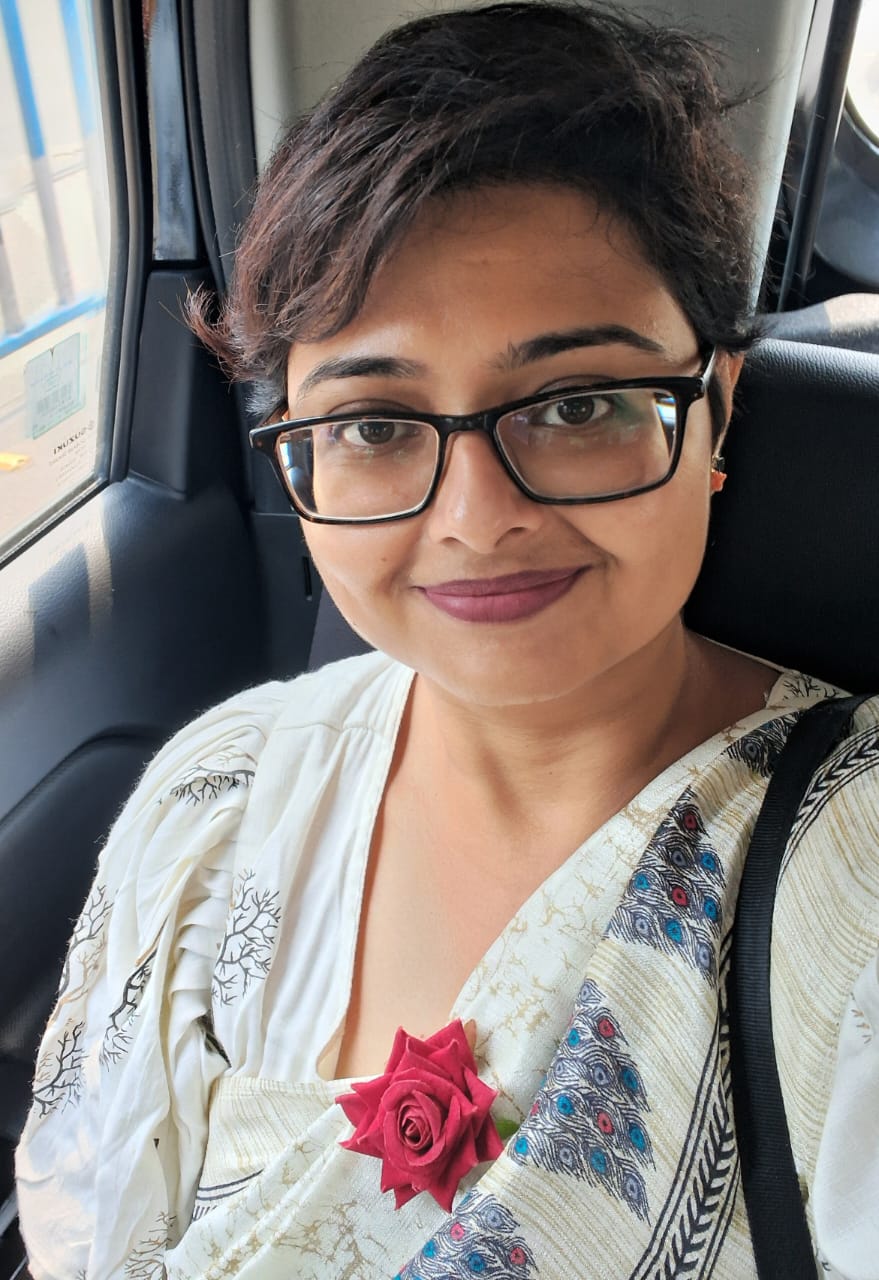
Teacher Image

Dr. Arunima Roychoudhuri

Assistant Professor in History

View Details
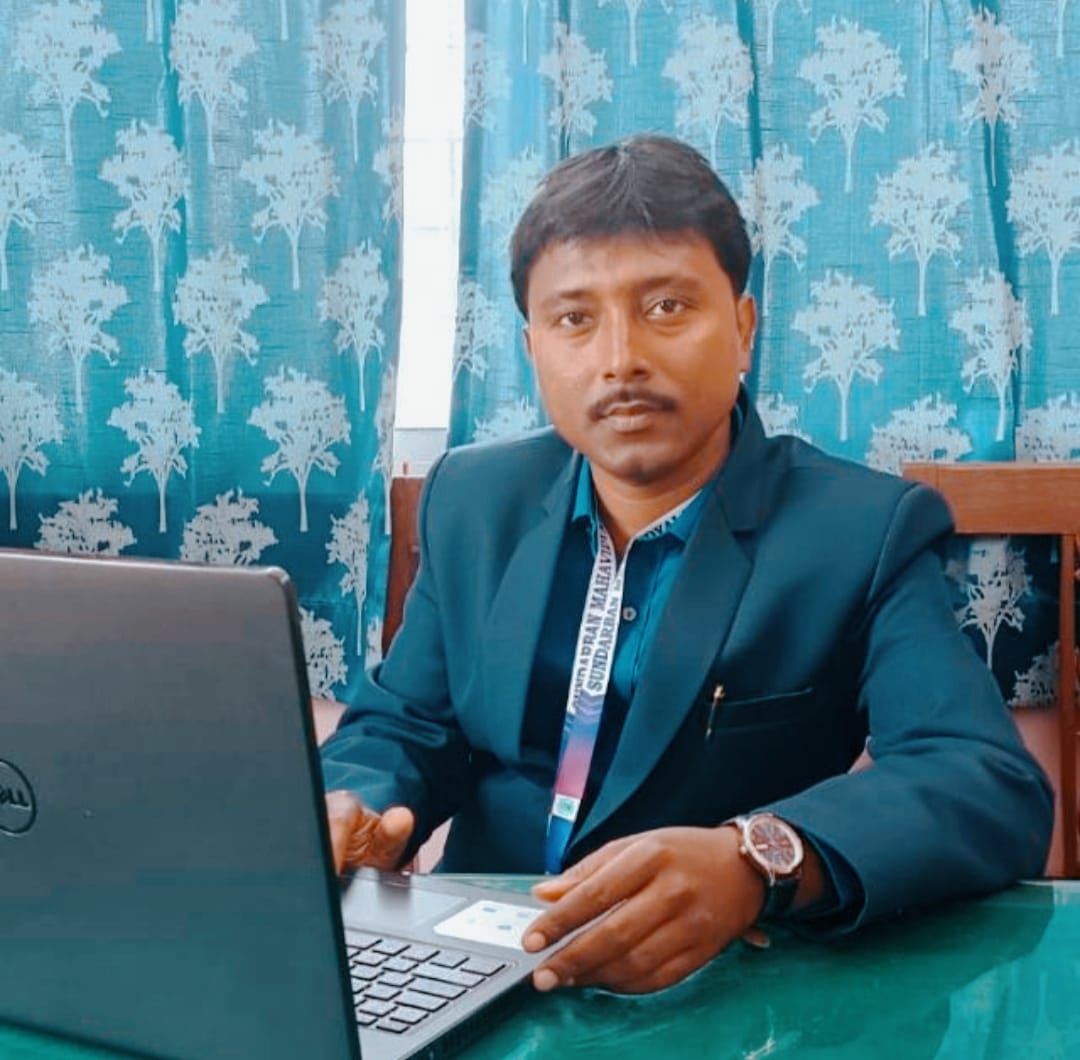
Teacher Image

Dr. Manas Das

SACT I

View Details
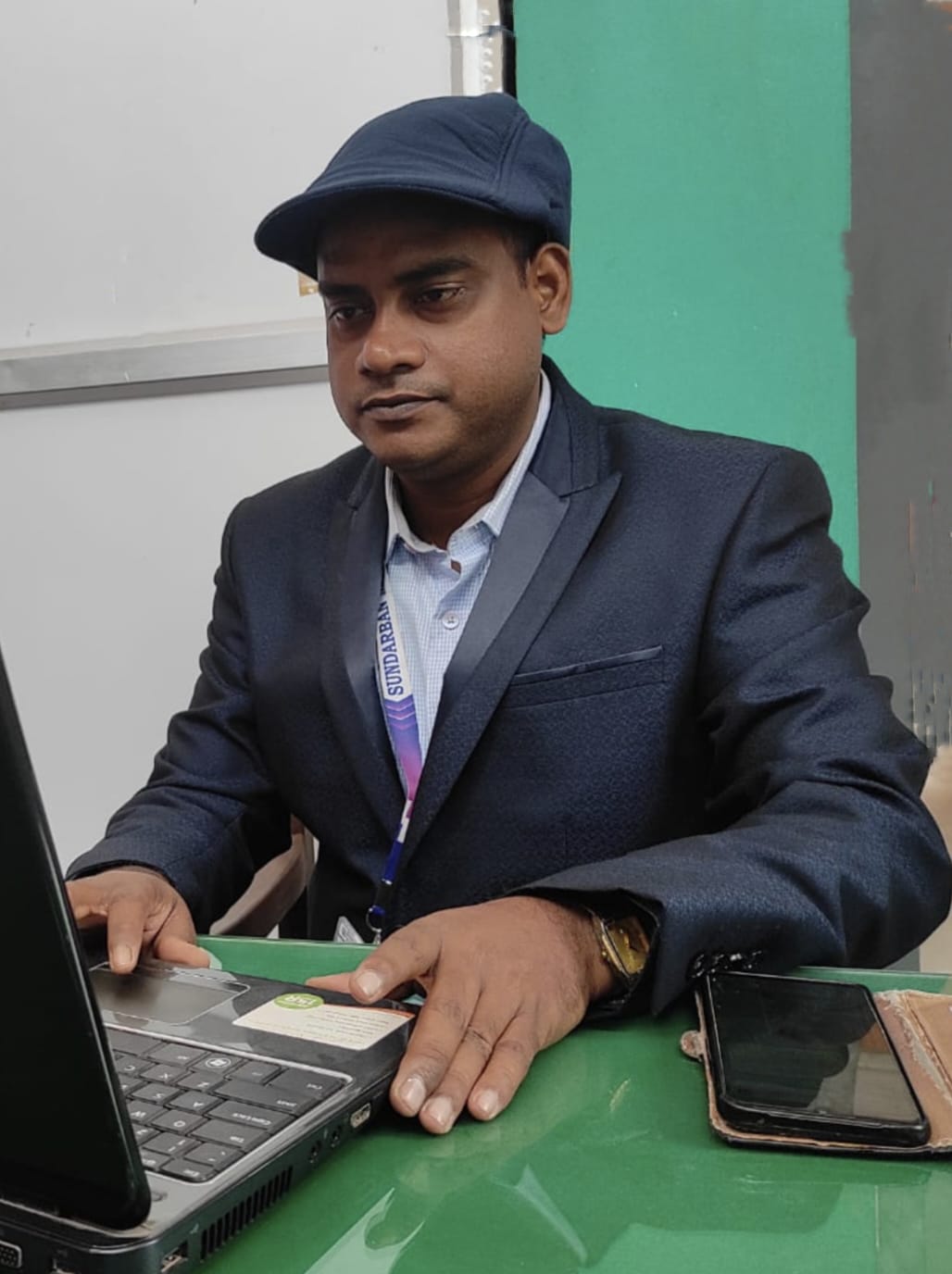
Teacher Image

Dr. Mrityunjay Pramanik

SACT I

View Details
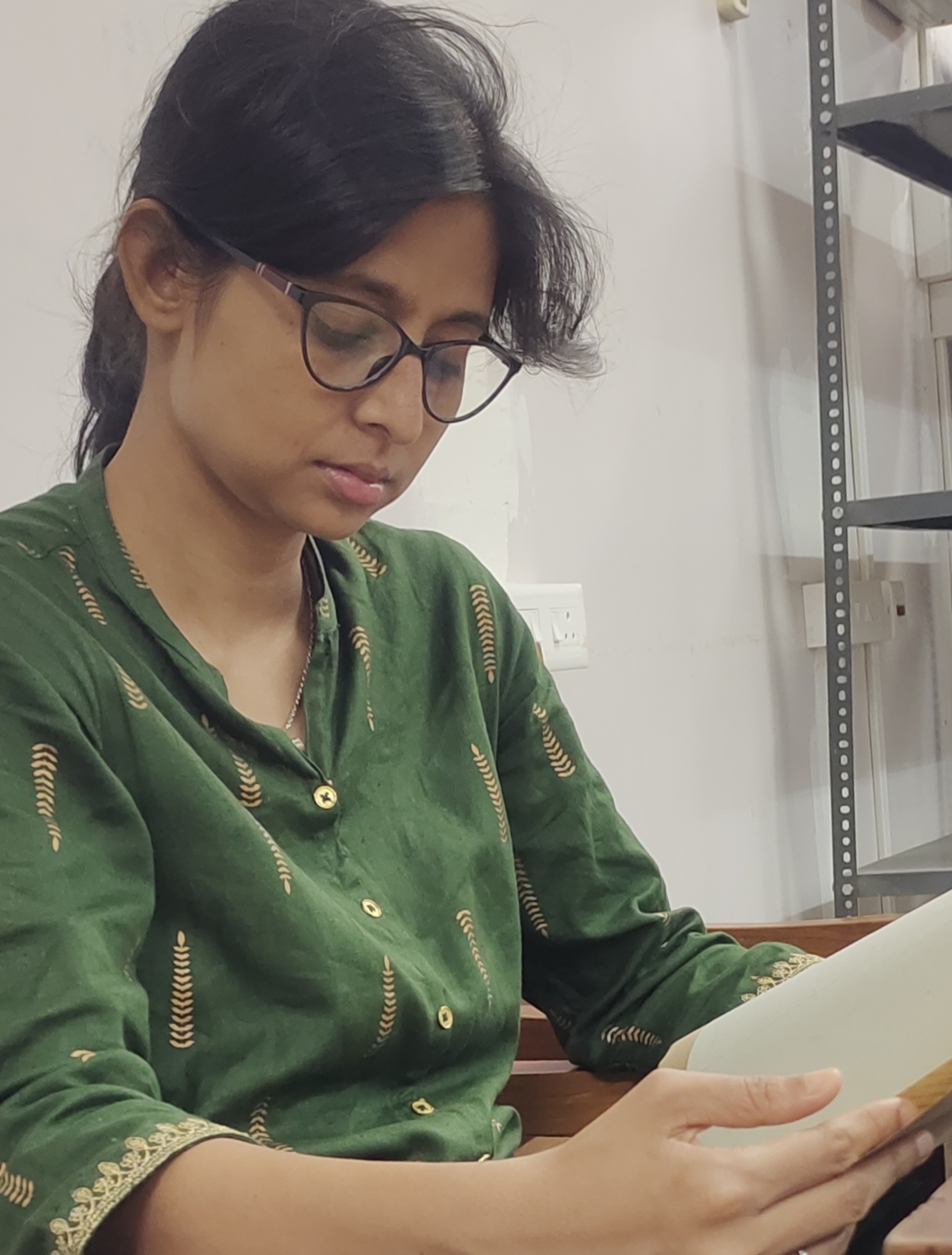
Teacher Image

Faijun Aktar

Assistant Professor & Head of the Department

View Details

About

Department of History 


The Department of History began its journey in 1965 with a small number of students having a dream in eyes to become a centre of excellence. Presently it is one of the biggest departments of the Sundarban Mahavidyalaya, having thousands of students or better to say blooming historians. The department provides B.A. Honours and General Degree programmes affiliated to the University of Calcutta. The department always tries to motivate its students for higher studies so that they can make us proud by establishing themselves in the society. Apart from taking regular classes the Department organises regular tutorial classes for the betterment of weaker students along with problem solving classes for advance learners. The department conducts class tests at regular intervals to maintain its academic standards. Lastly and the most important thing is that, the department maintains a healthy familiar relationship with its students.   

Our Vision

The Department of History will be nationally and internationally recognized for educating undergraduate history majors about the importance of understanding the past in any society, and for teaching them critical, analytical and research skills applicable to numerous potential career paths. The department also will be nationally and internationally recognized for training graduate students and producing future master's and Ph.D. graduates in history who, along with the faculty in the department, will produce new, innovative and meaningful historical knowledge that contributes to the popular and scholarly understanding of the past. 

Our Mission

The missions of the Department of History are to offer excellent B.A. (Hons.), B.A. (Gen) and Under Graduate Add on programs. These programs will prepare students for careers that involve research, synthesis and analysis; as teachers and archivists; and for admission to Post Graduate Institutions or professional schools. The department is dedicated to providing a quality education to the underprivileged residents of remote Sundarban area. 

Our Goal

H - Harmonious relation between Teachers & Learners

I - Independence is achieved in both teachers and the learners.

S - Success is the key motivation for both teachers & learners.

T - Teamwork culture.

O - Open to innovative ideas.

R - Responsibility to delegated in order to empower ourselves.

Y - Yearly self evaluation for a consistent drive forward. 

Best Practices

Teaching Learning

Policy for Teaching-Learning 

The Department believes in 3Ps Policy for the teachers and learners both:

•P – Planning

•P – Preparation

•P – Performance 

Teachers plan their lessons at the beginning of each semester and put that tentative Teaching Plans in the E-Shikshak LMS portal. It helps the teachers as well as the learners to be mentally prepared for the lessons. 

According to Teaching Plan the lessons are delivered inside the classroom. Regarding deliverance of lesson we believe that the Teaching-Learning is not an one way traffic – so teachers should try to share his/her ideas of different topics with the learners and inspire them to think about the topic as well as share their ideas in the same platform as well. 


Our Programmes 

The Department of History provides the following Programmes:

1) 4-year Bachelor of Arts (Major)

2)3-year Bachelor of Arts (Multidisciplinary Course)

3)Value Added Programme on Indian and Western Historical Thought (30 hrs. Certificate Course)

4)Internship Programme on Indian Gastronomy (30 hrs. Certificate Course)

5)Bridge Course on Elementary Ideas on Indian and World History (30 hrs. Certificate course for 1st Semester MDC students) 

  • The 4-year Bachelor of Arts (Major) Degree Programme is affiliated to the University of Calcutta. Thus the Department follows the University prescribed Curriculum and Evaluation Process. After completion of the programme, the successful candidates get 4-year BA (Major) Degree provided by the University of Calcutta. 
  • The 3-year Bachelor of Arts (MDC) Degree Programme is also affiliated to the University of Calcutta and the Department strictly follows the University prescribed Curriculum and Evaluation Process. After completion of the programme, the successful candidates get 3-year BA (MDC) Degree provided by the University of Calcutta. 
  • The Value Added Programme is designed to provide basic idea of the philosophy of history and after completion of the course students get certificate issued by the College authority. 
  • The Internship Programme is a part of UG programme under CCF. The department follows the regulations prescribed by the University of Calcutta. After completion of the programme students get certificate from the college authority along with a score mentioned in their Score Sheet issued by the University of Calcutta.
  • The Bridge course is designed to provide basic ideas on chronology of Indian and World history. It is primarily designed for the 1st semester students but anyone interested in history can join the course. After completion of the course the college authority issues certificate to the successful students. 

Capacity Building

Introduction

The Department of History, Sundarban Mahavidyalaya undertook various capacity building initiatives to enhance academic competence, research aptitude, employability, and holistic development of undergraduate students. These activities align with the institutional vision and NAAC quality parameters.


Objectives

  • To strengthen subject knowledge and critical thinking skills.
  • To promote research culture among undergraduate students.
  • To enhance communication and presentation skills.
  • To develop digital literacy and ICT-based learning.
  • To prepare students for higher education and competitive examinations.


Academic Enrichment Activities

Seminars / Special Lectures:

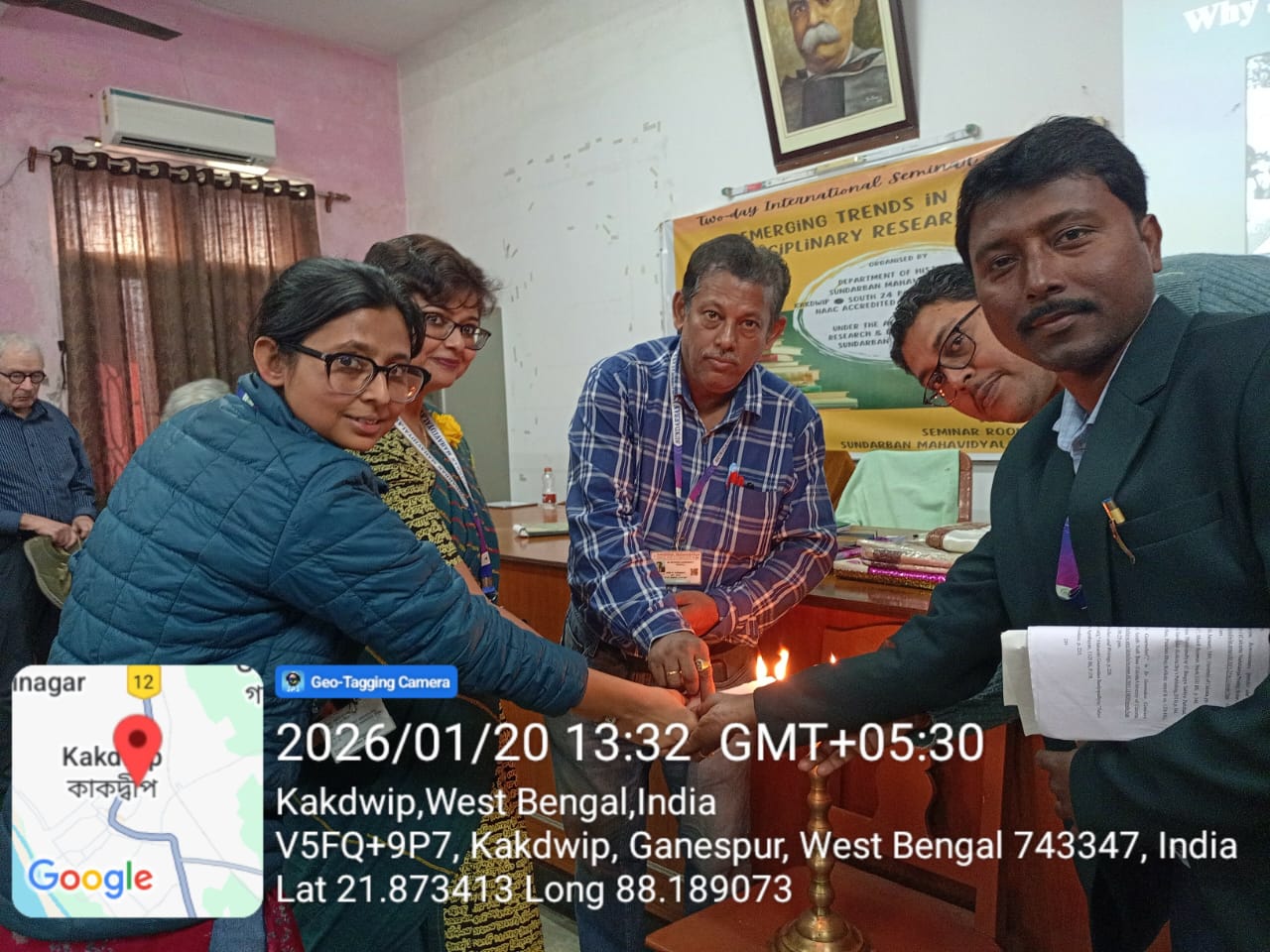
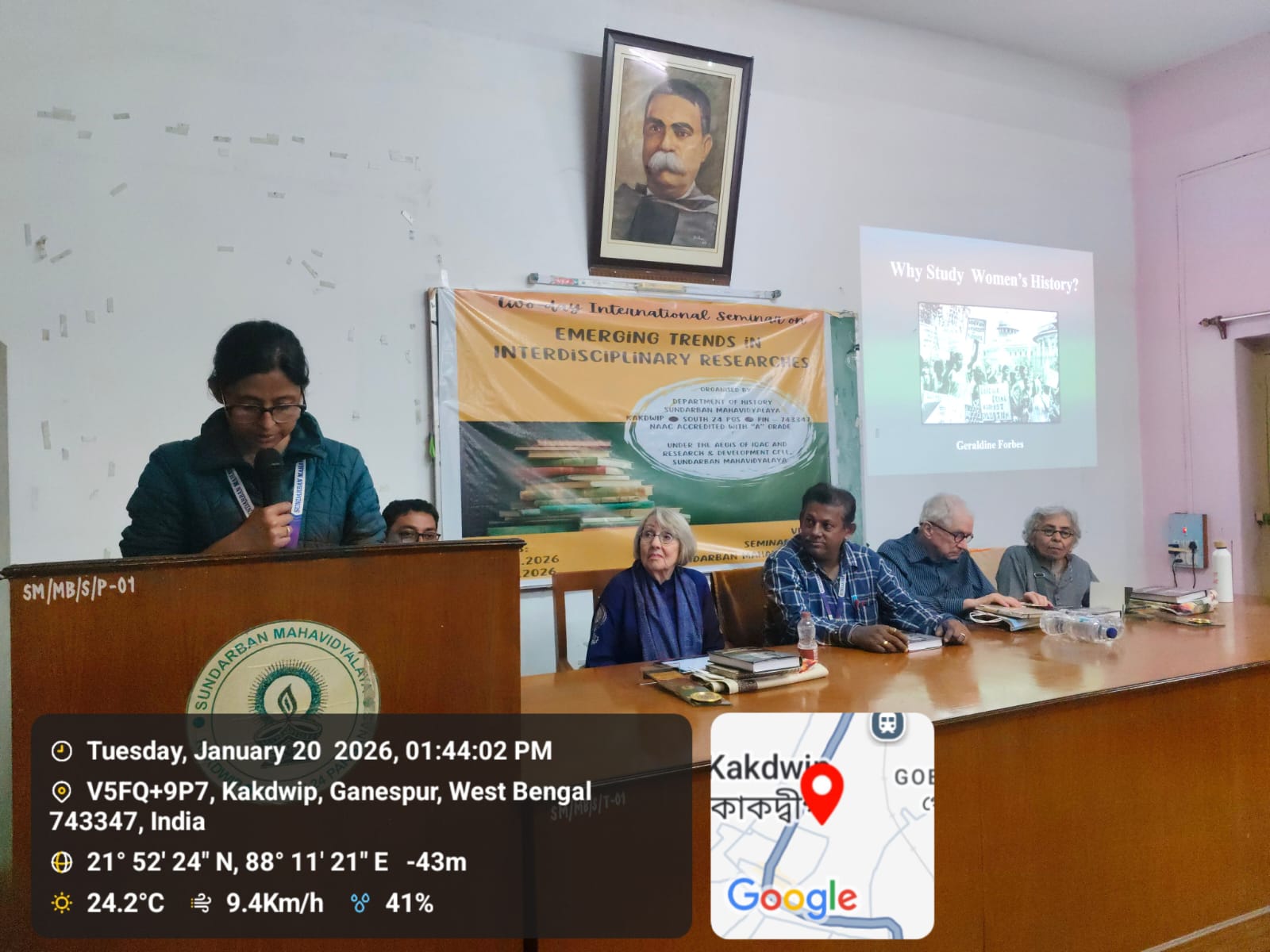
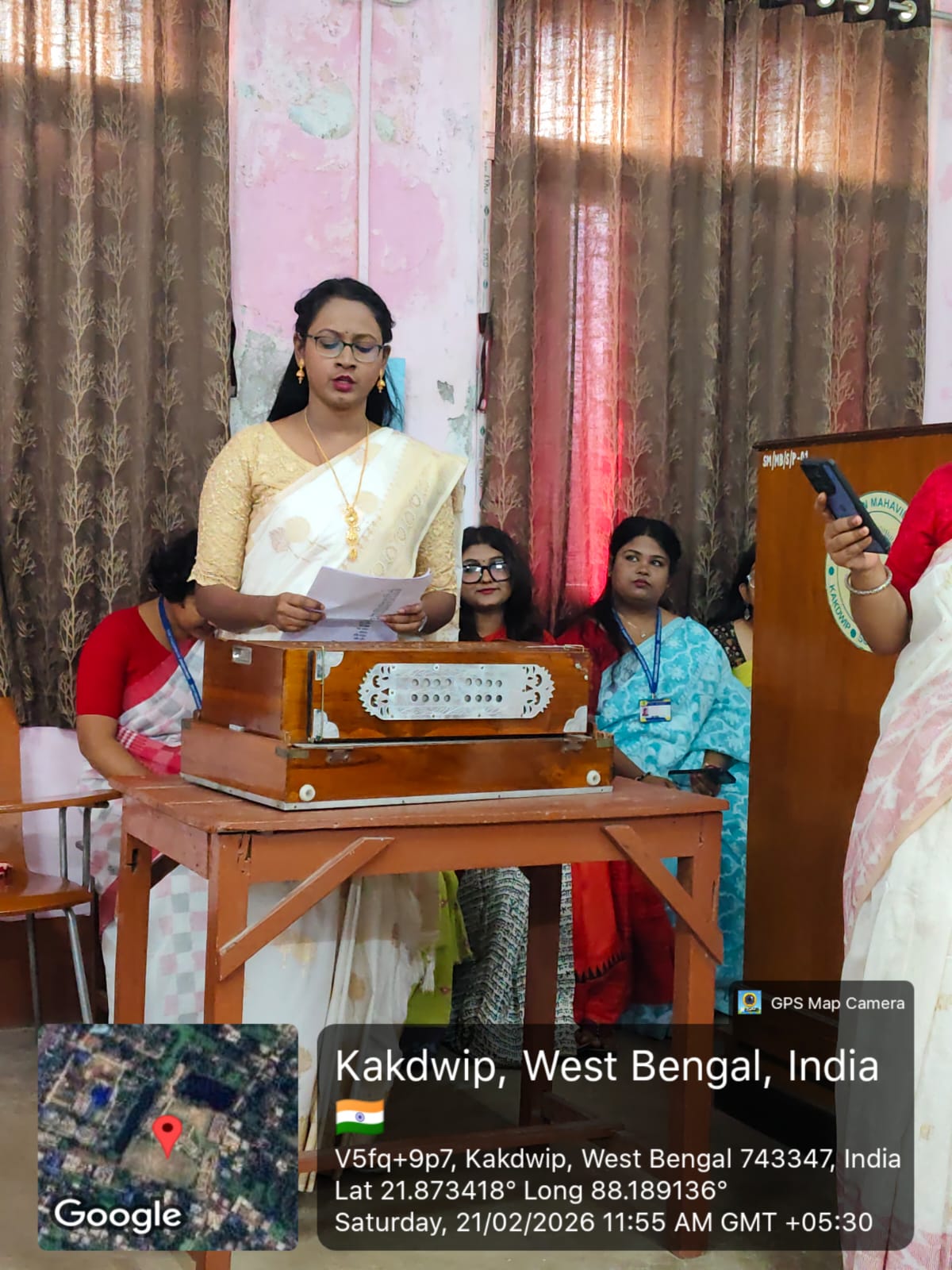
  • Two-day International Seminar on Emerging Trends in Interdisciplinary Researches, held on 20th & 21st January, 2026.
  • Special Lecture on Folk Culture of Bengal and the History of Sports in Bengal, held on 24th January, 2025.


Outcome: Students developed analytical understanding of contemporary historiography and interdisciplinary approaches.


Experiential Learning and Field Exposure

Educational Tours / Field Visits

  • Students of the Semester I had participated in the field visit to CIBA, Kakdwip on 2nd January, 2026.
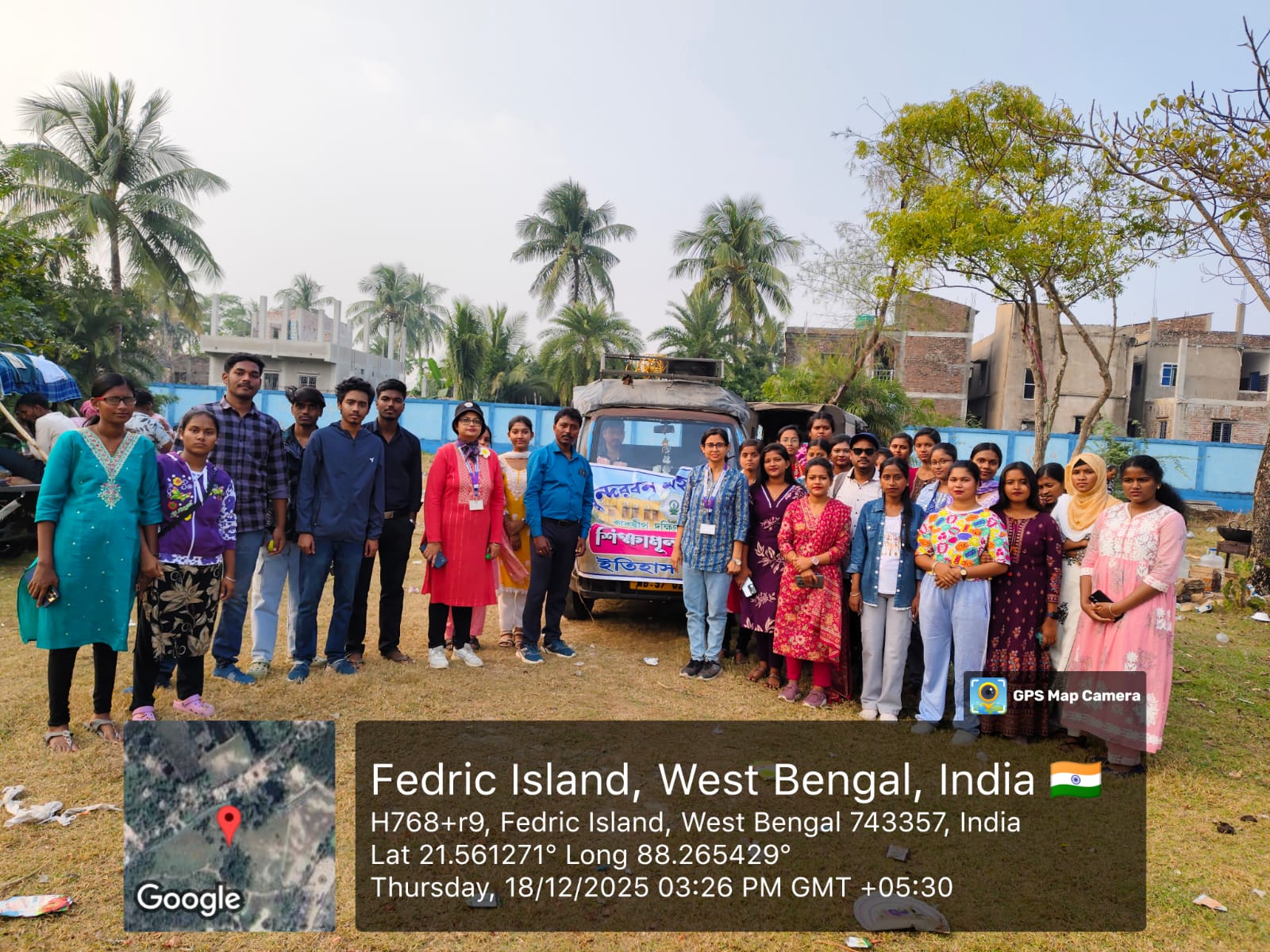
  • Conducted an educational tour to Bakkhali, on 18th December, 2025, to explore the historical relationship between Sea, Science and Society.
  • Students of the Semester I had participated in the field visit to Benfish harbour, West Bengal Fisheries Development Corporation, on 2nd January, 2025. 
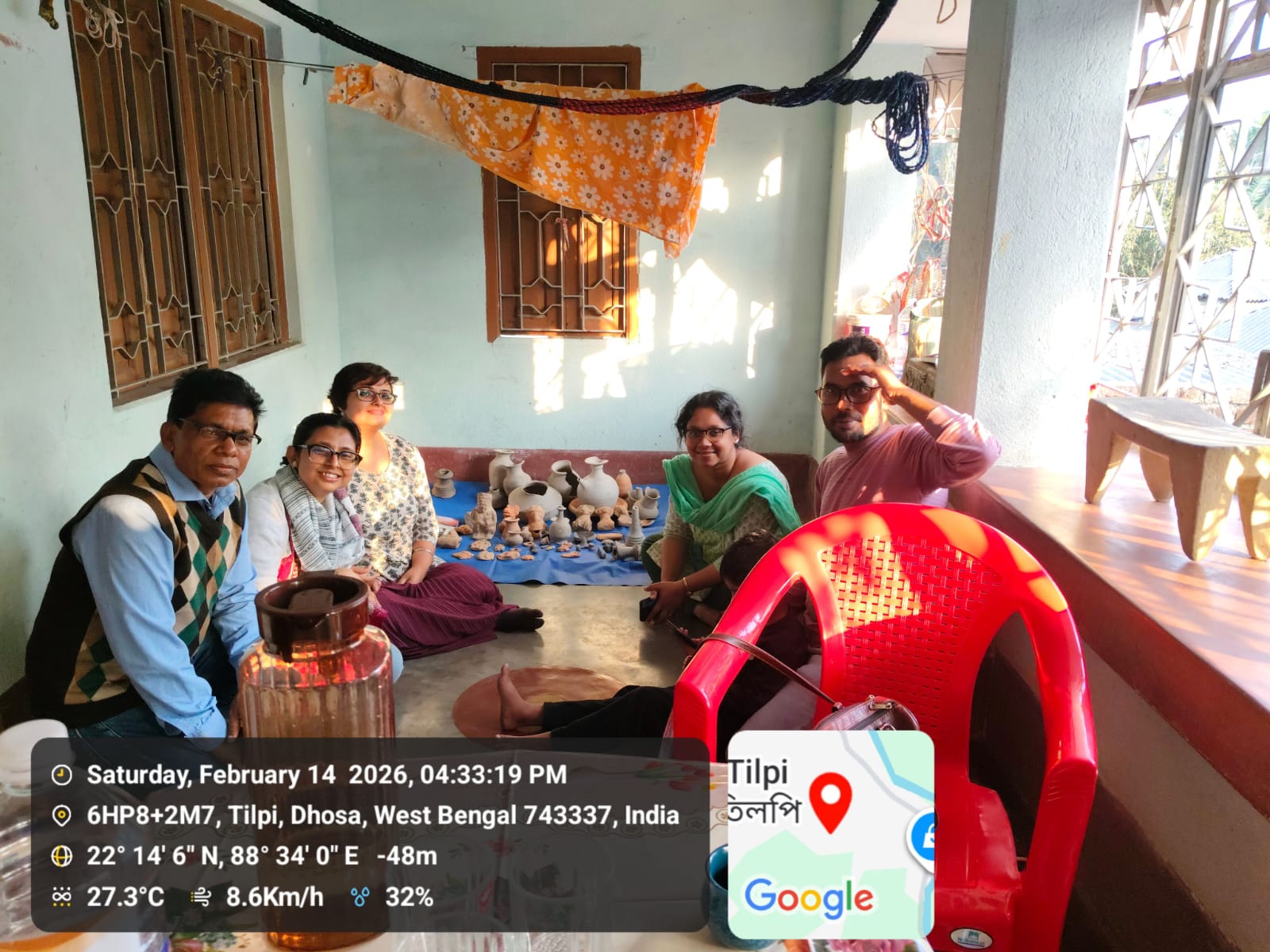
  • A study tour to Lalgung, Bishalakshmipur was conducted by the Department on 23rd December, 2024 to explore the ecology, local culture and heritage. 
  • An educational trip to the Indian Museum was conducted by the Department on 22nd October, 2024.

Outcome: Enhanced understanding of material culture, primary sources, local heritage and regional history.


Skill Development Initiatives

  • To improve Communication & Soft Skills the Department frequently organizes paper presentation sessions, group discussions, quizzes and debates on historical themes.
  • The Department also conducts book club activities in collaboration with the Central Library, Sundarban Mahavidyalaya.


Career Guidance & Mentoring:

The Department organizes

  • Remedial Classes for slow learners.
  • Advanced mentoring for advanced learners.

Outcome: Increased student awareness regarding academic and career prospects.


Use of ICT and Innovative Pedagogy

  • ICT based classroom teaching.
  • Screening of historical documentaries.
  • Blended learning practices.


Outcome Analysis

  • Improved academic performance in university examinations.
  • Increased student participation in seminars and competitions.
  • Enhanced research orientation among students.
  • Development of employment abilities and transferable skills.


Conclusion

The Department of History has consistently undertaken structured and outcome-based capacity building initiatives. These efforts have contributed significantly to academic excellence, skill enhancement, and holistic development of undergraduate students.


Academic Activities

Certificate Courses

Value Added Programme on Indian Historical Thought

About the Course: The course is intended to develop basic concepts on Indian Historical thought and Indian historiography. The course is divided into 24 units. The course starts with a general introduction on Indian concept of Itihasa and its difference with western concept of History. It includes various interpretations and recent trends in Indian historiography. The course is designed with flexibility and quality content.

Course Coordinator: Dr. Arunima Roychoudhuri, Assistant Professor in History, Sundarban Mahavidyalaya.   

Duration of the Course: 30 Hours

Medium of Instruction: English/Bengali

Course Fee: Free

Target Group: Anyone interested in history and our heritage is free to participate in this course. An Internet connection and basic web browsing skills are recommended. 

Certification: Requires minimum 70% in Graded Assessments and participation in at least weekly quizzes. Certificate will be issued by the Sundarban Mahavidyalaya.

Course Objectives:

1. To develop the learners’ conceptual and practical understanding on Indian historiography.

2. To develop learners’ analytical skill on historical thought.

3. To pace the path for further studies on Indian historiography as well as pursue a career in competitive examinations.

Programme Outcomes: The learners will

1. Obtain a conceptual knowledge on Indian historiography.

2. Obtain a general understanding on recent trends in Indian historiography.

3. Be highly benefited if pursuing competitive examinations.


Course Structure of Add on Course on Indian Historical Thought

Module I: Ancient Indian Historical Thought - 2 credits 

Unit 1: History and Itihasa 

Unit 2: Ancient Indian Historians 

Module II: Modern Views on Ancient India - 2 credits 

Unit 3: Orientalist View 

Unit 4: Marxist View 

Module III: Modern View on Early Medieval as a Historical Period - 2 credits 

Unit 5: Periodization Debate 

Unit 6: Feudalisation Debate 

Module IV: History During Medieval Period- 2 credits 

Unit 7: Persian & Non Persian Sources 

Unit 8: Court Historians 

Module V: Historical Thought in Modern Period - 4 credits 

Unit 9: Imperialist View 

Unit 10: Nationalist View 

Unit 11: Marxist View 

Unit 12: Subaltern View 

Module VI: Recent Trends in Indian Historiography- 3 credits 

Unit 13: Feminist View 

Unit 14: Regional History 

Unit 15: Partition Historiography

Awards

MOUs

Distinguished Alumna

Result

Sl No Title Result View

Student Progression

Departmental Notices

Sl No Title Notice View

Research

Glimpses of Our Faculty-members' Research Outcomes

Book on Indian Knowledge System.

Book on Medieval World.

Book on Ancient World.

Book on Sir Gooroodass Banerjee.

Book on Marichjhapi Incidence.

Book on Role of a Dalit Group.

Book on Medieval World.

Book on Women's Empowerment.

Book on Prehistoric India.

Book for Skill Enhancement.

Book on Pre Modern Europe.

Project

Facilities

Activities

Contact Us

Reach us

1st Floor, Main Building 

Sundarban Mahavidyalaya

Kakdwip, South 24 Parganas

PIN: 743347

E-Mail: history@sundarbanmahavidyalaya.in